Healthy Aging
What Changes in Your Daily Routine as You Get Older — And What You Can Still Influence
From nutrition and sleep to movement and mental stimulation, researchers continue to explore the everyday factors associated with healthy aging.
Special Educational Feature
Sponsored educational content · For informational purposes only
Healthy Aging
From nutrition and sleep to movement and mental stimulation, researchers continue to explore the everyday factors associated with healthy aging.

Somewhere in your forties or fifties, the small stuff starts to register.
Maybe you notice that a late dinner sits differently than it used to, or that a night of poor sleep costs you more the next day than it did a decade ago. Maybe you find yourself standing in the kitchen for a beat longer, trying to recall what you came in for. None of it is dramatic. It's just noticeable in a way it wasn't before.
When people think about aging well, the checklist tends to be familiar: exercise more, watch your blood pressure, keep an eye on weight, get better sleep. Those things matter, and they're measurable, which is part of why they get the attention. But they're also only part of the picture. The broader relationship between what people eat day to day, how they move, who they talk to, and how they feel mentally tends to get far less structured attention — partly because it's harder to reduce to a number on a chart.
That gap is worth exploring, because it's also where most of ordinary life happens. Nobody experiences their diet as a nutrient profile. They experience it as breakfast, as what's in the fridge on a Tuesday, as whether cooking felt worth the effort that evening.
This article looks at several of the areas researchers continue to investigate: the quality of overall eating patterns, the foods that keep reappearing in that literature, the naturally occurring compounds inside them, and the wider context of sleep, activity and social connection that surrounds all of it. It also spends time on what the evidence can't tell us, which is a genuinely important part of the story.
The goal here isn't a prescription. It's a clearer, calmer map of a subject that is often oversold — and a reminder that most of what's discussed below falls into the category of ordinary, unglamorous habits rather than breakthroughs.
For a long time, popular nutrition advice was largely arithmetic: count what goes in, compare it to what gets burned. That framing is useful for weight, but it says very little about what a food actually delivers. Two meals with identical calorie counts can differ enormously in fiber, protein, vitamins, minerals and the range of plant compounds they contain.
This is roughly what people mean by nutrient density — how much nutritional value a food provides relative to its calories — and by dietary quality, which describes the overall character of what someone eats across days and weeks rather than in a single sitting.
In practice, the components that come up most often in general dietary guidance are unremarkable: fruits and vegetables across a range of colors; whole grains in place of refined ones; legumes; nuts and seeds in modest portions; adequate protein, which becomes more of a practical concern for many adults as they get older; enough fluid through the day, since thirst cues can become less reliable with age; and simple variety, so that no single food is doing all the work.
Healthy aging is rarely about one isolated habit.
The more durable idea in this field is that overall patterns matter more than individual ingredients. Eating patterns that researchers have studied for years — Mediterranean-style eating being the most cited example — are notable less for any one component than for how the components fit together. A handful of walnuts does not rescue an otherwise unbalanced week, and no single food deserves the label "magic ingredient," however appealing that framing is in a headline.
Certain categories appear again and again in discussions of balanced nutrition and healthy aging. That recurrence doesn't make them remedies. It mostly reflects that they're nutrient-dense, widely available, and common in eating patterns that have been observed over long periods.

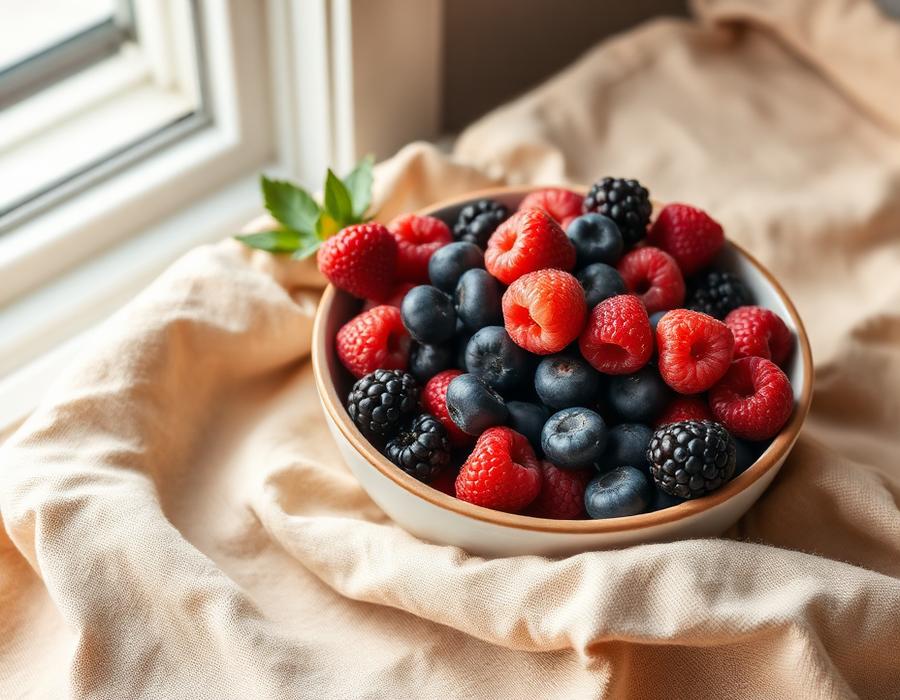
Berries show up often in conversations about balanced eating because they are flavorful, relatively low in calories and rich in fiber and vitamin C. They also contain naturally occurring plant compounds that researchers find interesting to study. Fresh or frozen, they are an easy way to add variety to breakfast.

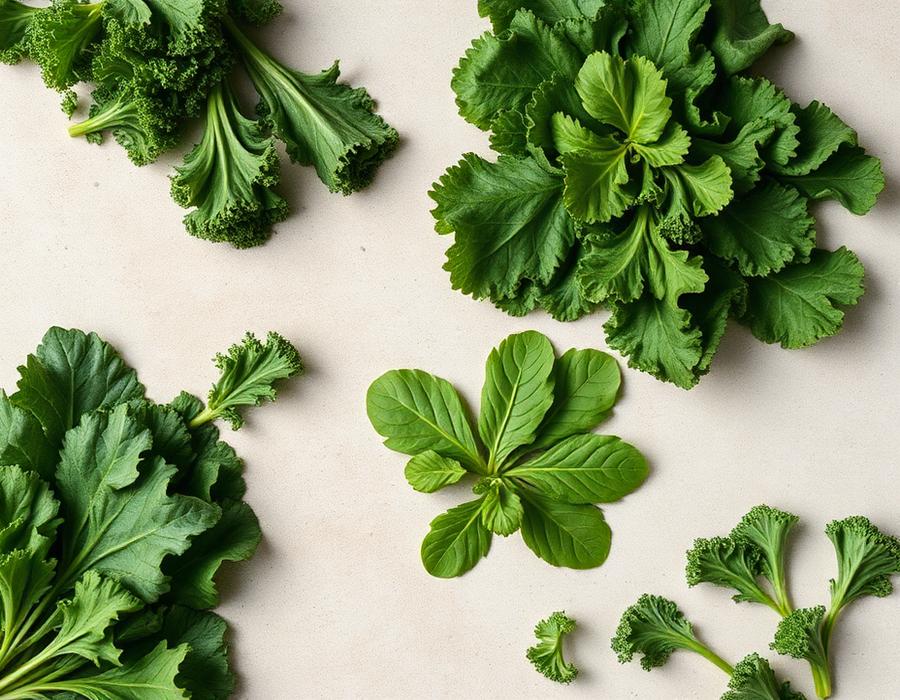
Spinach, kale, arugula and similar greens contribute vitamins, minerals and fiber for very few calories. They are commonly recommended as part of general dietary guidance for adults. Rotating a few different greens through the week keeps meals from feeling repetitive.

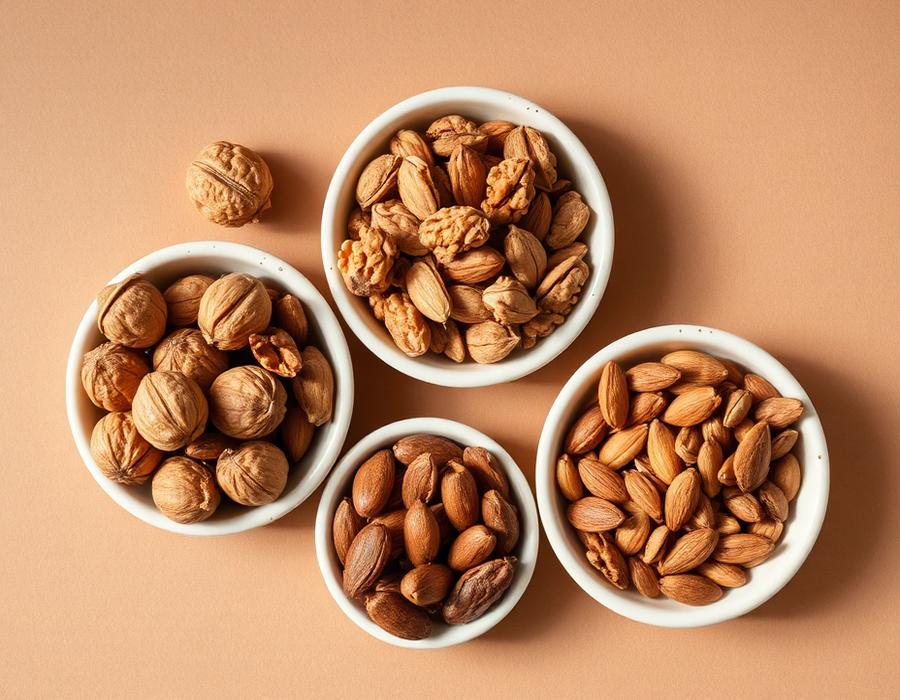
Nuts and seeds provide unsaturated fats, plant protein and fiber in a compact form. Because they are calorie-dense, most guidance frames them as a modest daily portion rather than an unlimited snack. Unsalted versions make it easier to manage overall sodium.

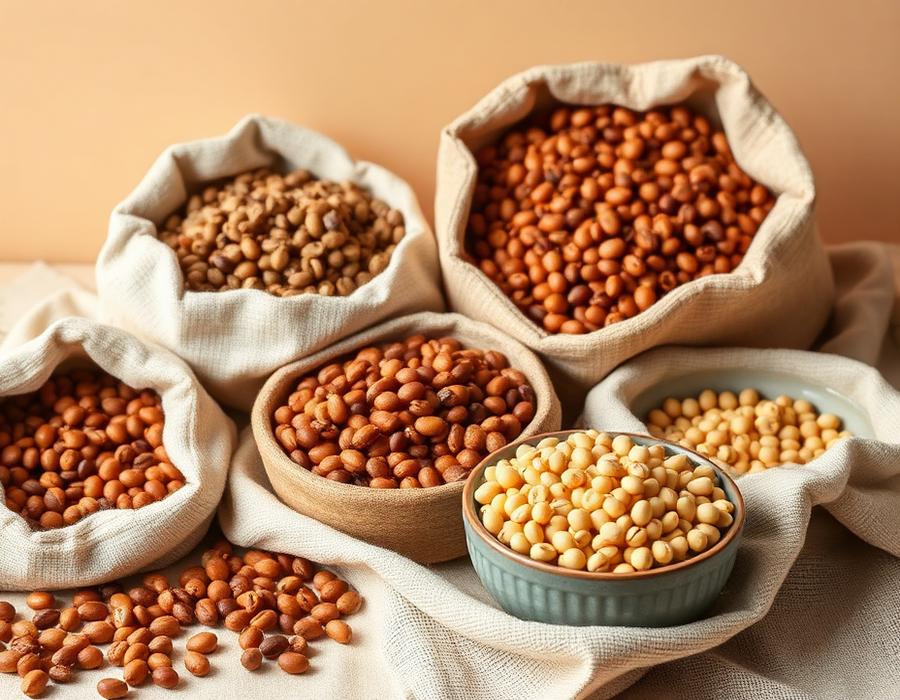
Beans, lentils and chickpeas are an inexpensive source of plant protein and fiber. They appear in many traditional eating patterns around the world that researchers have studied for decades. Canned versions, rinsed well, work as easily as dried.

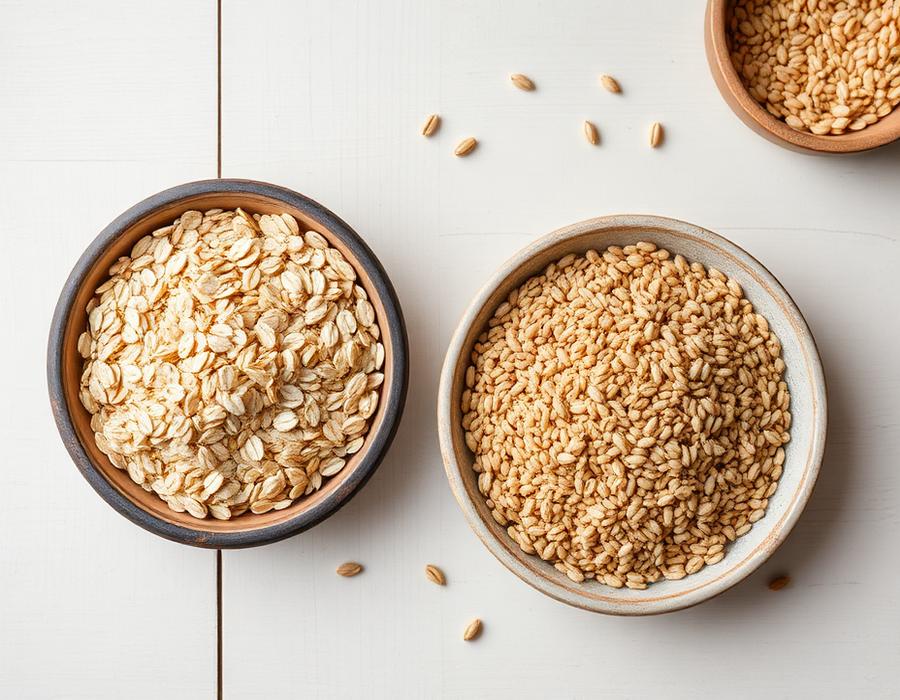
Oats, barley, brown rice and other whole grains keep more of the fiber and micronutrients that refined grains lose in processing. General dietary guidance often suggests making at least half of your grains whole. Simple swaps, like oatmeal instead of a pastry, are usually the easiest place to start.

Fish is a common source of protein and, in the case of oily fish, of omega-3 fatty acids. Many dietary guidelines suggest including seafood a couple of times per week for most adults. Preparation matters too — baked or grilled behaves differently from deep-fried.
None of these foods treats or prevents any medical condition, and none of them needs to. They're simply useful building blocks in a varied diet — and the practical question is usually less "which one is best" than "which of these will I realistically eat this week."
Foods aren't just macronutrients. Plants in particular contain thousands of naturally occurring compounds, and a portion of nutrition research is devoted to understanding what those compounds do once they reach the body.
A few terms come up frequently. Polyphenols are a broad family of plant compounds found in things like tea, olive oil, cocoa, herbs, and many fruits and vegetables. Flavonoids are a large subgroup within that family. Anthocyanins are flavonoids responsible for much of the red, purple and deep-blue color in foods such as berries, red cabbage and black beans. Antioxidant is a functional description — it refers to how a substance behaves in certain chemical reactions, not to a category of food or a guaranteed effect in the body.
What researchers actually study is how these compounds interact with biological processes: how much is absorbed, how the body metabolizes them, whether measurable changes follow, and whether those changes translate into anything people would notice. The answers vary considerably depending on the specific compound, the population studied, the dose, the duration and the design of the study.
It's worth being clear about what this research does not establish. Consuming foods rich in these compounds is not a way to remove toxins, repair cells, restore cognitive function or address any disease. The honest summary is narrower and less exciting: these are areas of active investigation, evidence is mixed and context-dependent, and the compounds are best thought of as part of what makes a varied diet worthwhile rather than as ingredients with a specific job to perform.
It's tempting to treat cognitive wellness as a standalone subject, as if it could be managed separately from everything else. In daily life it doesn't work that way. How clear-headed someone feels on a given afternoon is entangled with a long list of ordinary variables.

Sleep is the most obvious one; almost everyone notices the difference after a bad night, and sleep patterns commonly shift with age. Physical activity affects energy, mood and how the rest of the day goes, and the useful kind is usually the kind a person will actually keep doing. Social connection supplies conversation, novelty and structure, which is part of why a standing Thursday coffee can matter more than it sounds like it should.
Stress occupies attention and makes concentration harder. Hydration is easy to overlook, especially when thirst cues fade. Hearing and vision deserve specific mention: when conversation becomes effortful to follow or reading becomes tiring, people often withdraw from exactly the activities that keep them engaged — which is why routine checkups are worth keeping. Routine itself reduces the number of small decisions a day requires. And general health — including medications and existing conditions — shapes everything above, which is a conversation for a healthcare professional rather than an article.
Ask people what prompted them to think about this subject at all, and the answers tend to be small and specific rather than clinical.
Walking into a room and forgetting why you went in. Reaching for a word that you know perfectly well and finding it a half-second late. Losing track of the keys, the reading glasses, the phone that turns out to be in your hand. Meeting someone you've met twice before and needing an extra moment for the name. Getting to the end of a long day and finding that reading a dense article simply isn't going to happen tonight.
These moments are extremely common, and they happen to people at every age. They also have a long list of ordinary explanations: doing several things at once, being interrupted, not sleeping well, stress, illness, a busy stretch at work, and the simple fact that attention is finite. The name you can't retrieve was often never encoded very firmly in the first place.
None of this means a person has dementia, Alzheimer's disease, or any other condition, and it would be irresponsible to suggest otherwise. What matters is the distinction between the occasional and the persistent. If changes in memory or thinking are ongoing, getting noticeably worse, or interfering with everyday activities — or if you or the people around you are simply concerned — that's a conversation to have with a qualified healthcare professional, who can look at the full picture including medications, sleep, hearing, mood and general health. An article can't do that, and shouldn't try.
Daily Habits
The routines that repeat most often
Nutrition
Overall dietary patterns, not single foods
Sleep + Movement
Rest and regular physical activity
Mental + Social Engagement
Conversation, learning, connection
Healthy Aging Context
How the pieces fit together over time
A simplified way of thinking about everyday habits. It is not a medical model or a treatment plan.
Nutrition research is genuinely difficult to conduct. People eat complicated diets over long periods, memory of what they ate is imperfect, and the outcomes of interest unfold across decades. Keeping a few limitations in mind makes the headlines much easier to read.
When a study finds that people who eat a certain way tend to feel or function differently, that is a relationship — not proof that one caused the other. Other differences between those groups can explain part of what is observed.
Individual studies vary in size, length and design. Researchers generally look for patterns that hold up across many studies before drawing broader conclusions.
Age, genetics, medications, activity level and existing health conditions all shape how a person responds to a change in diet or routine. An average result does not describe every individual.
Eating patterns sit alongside sleep, movement, stress, social life and medical care. Isolating the contribution of any single factor is genuinely difficult.
In nutrition especially, open questions outnumber settled ones. That is a normal feature of the field, not a reason to dismiss it — but it does argue for modest language.
Taken together, these caveats aren't a reason to ignore nutrition research. They are a reason to be skeptical of anyone who describes it with more certainty than it has earned.
Editor's Feature
There is a growing public conversation around nutrition, healthy aging and the factors that may influence how people feel and function as they get older. We put together a short educational overview covering some of the most interesting questions being explored.
Free Educational Overview
Watch the short presentation
Comments reflect readers' opinions of this article. They are not medical experiences, health outcomes, or verified accounts of any kind.
"This was a refreshing overview because it didn't reduce everything to one miracle food."
Reader in Ohio
"I liked the section explaining the difference between an association and actual cause-and-effect."
Reader in Arizona
"The everyday examples were surprisingly relatable."
Reader in Maine
We've put together a short educational overview that goes deeper into the nutrition and healthy-aging topics discussed above.
Watch the Educational Overview →